
Kitchen Organization
4 Different Types Of Tableware And How Its Used
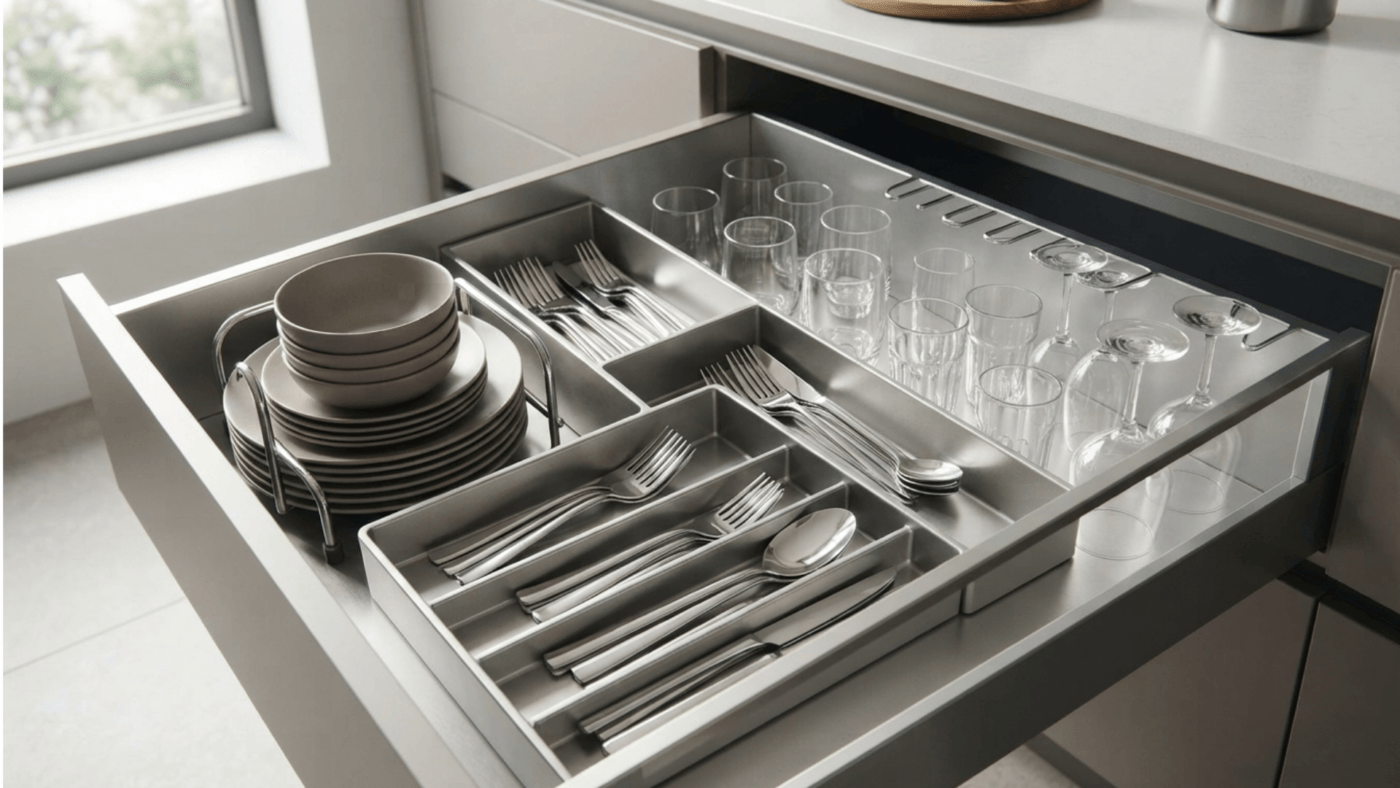
Jul
Modern kitchens in Bangladesh are evolving from simple cooking zones into sophisticated hubs of efficiency and style. Understanding how to integrate the right tableware with smart, modular storage is the secret to transforming a cluttered flat into a professional-grade culinary space.
The 4 Fundamental Categories of Tableware
Tableware serves as the bridge between your kitchen prep area and your dining experience. To maintain an organized home, it is essential to categorize your items based on their primary function and material composition.
1. Dinnerware: The Foundation of Service
Dinnerware includes plates, bowls, and serving platters used for the primary consumption of meals. In the 2026 Bangladeshi kitchen, there is a strong preference for durable stoneware or chip-resistant porcelain that can transition from daily use to formal gatherings.
- Pro Tip: Use plate-dish-holder systems to organize these by size, preventing chipping and maximizing cabinet verticality.
2. Glassware: Fluidity and Presentation
Glassware encompasses everything from everyday water tumblers to specialized stemware. Proper organization of these fragile items is critical to avoid breakage and water spots.
- Optimization: Implement a hanging-glass-rack to free up shelf space and allow for streak-free air drying.
3. Flatware: The Precision Tools
Flatware includes forks, knives, spoons, and serving utensils. A cluttered “junk drawer” is the enemy of a modern kitchen; high-quality, segmented storage is the only way to manage these items effectively.
- Organization: Use dedicated cutlery-basket inserts to ensure your most-used tools are always within reach.
4. Serving Ware: The Final Presentation
Serving ware includes large bowls, platters, and carafes used to bring food from the stove to the table. These are often the largest items in a kitchen and require robust storage solutions.
- Storage: Large items thrive in elevator-plain-basket systems that provide easy access without the need to reach into deep, dark corners.
Maximizing Kitchen Space with Modern Accessories
In the dense urban environments of Bangladesh, the limitation is rarely the tableware itself, but the lack of an intelligent storage system. The goal is to move from static shelving to dynamic, moving parts.
The Role of Verticality
When floor space is scarce, your walls become your most valuable real estate. By utilizing wall-hook sets, you can clear your countertops completely. This creates a “floating” effect, making the kitchen feel significantly more spacious.
Managing High-Traffic Zones
The sink and stove areas see the most activity in any home. By installing a sink-support-rack, you effectively create a secondary workspace for drying and organizing damp tableware, reducing clutter on your main prep surfaces.
Comparing Storage Solutions for Your Tableware
| Accessory Type | Best For | Benefit |
| Pull-Out Basket | Heavy Pots/Platters | Ergonomic access |
| Hanging Racks | Frequently used utensils | Clear counters |
| Drawer Dividers | Cutlery & small tools | Eliminates clutter |
| Corner Carousels | “Dead” cabinet space | Maximizes footprint |
Troubleshooting Common Organization Pitfalls
Even with the best tableware, poor planning leads to frustration. If your kitchen feels chaotic, check these three areas:
- Measuring Depth: Always measure your cabinet interior before purchasing a triple-drawer-basket. Even a half-inch discrepancy can prevent full closure.
- Weight Distribution: Do not overload a single drawer with all your heavy stoneware. Distribute weight across multiple levels to ensure the slides last for years.
- Moisture Control: Always ensure your dish-drying area has adequate drainage to prevent rust on your stainless steel fittings.
Future Trends: The 2026 “Smart” Kitchen
The trend in 2026 is toward “stealth storage.” Homeowners are moving away from open shelving that gathers dust and toward integrated, push-to-open cabinets. These systems ensure that your tableware remains protected from grease and air particles, essential in a culture where spice-heavy, aromatic cooking is a daily standard.
Smart Ventilation
A critical part of protecting your tableware is managing the air quality. A high-powered hood prevents airborne grease from coating your glasses and plates, which keeps them cleaner for longer and reduces your weekly maintenance time.
Pro Tips for Long-Term Durability
- Material Selection: Only invest in high-grade stainless steel. In the humid climate of Bangladesh, inferior metals will rust within one season, potentially staining your cabinets and ruining your expensive tableware.
- Layering: When stacking plates, place a thin protective liner between them to prevent micro-scratches.
- Consistency: Keep like-items together. Store your coffee mugs near the machine and your serving bowls near the dining transition area.
Footer: Next Steps & Resource Directories
Browse Full Directories
[Home] > [Kitchen Storage Solutions] > [Modular Baskets] > [Tableware Accessories]
Related Articles
- [Best Modular Kitchen Accessories BD 2026, Tested & Reviewed]
- [Smart Kitchen Chimney Hood Price BD: Tips for Perfect Ventilation]
- [Hanging Rack: Space-Saving Kitchen Guide]
