
Kitchen Accessories
Basic Essential Cooking Tools Every Kitchen Needs
Jul
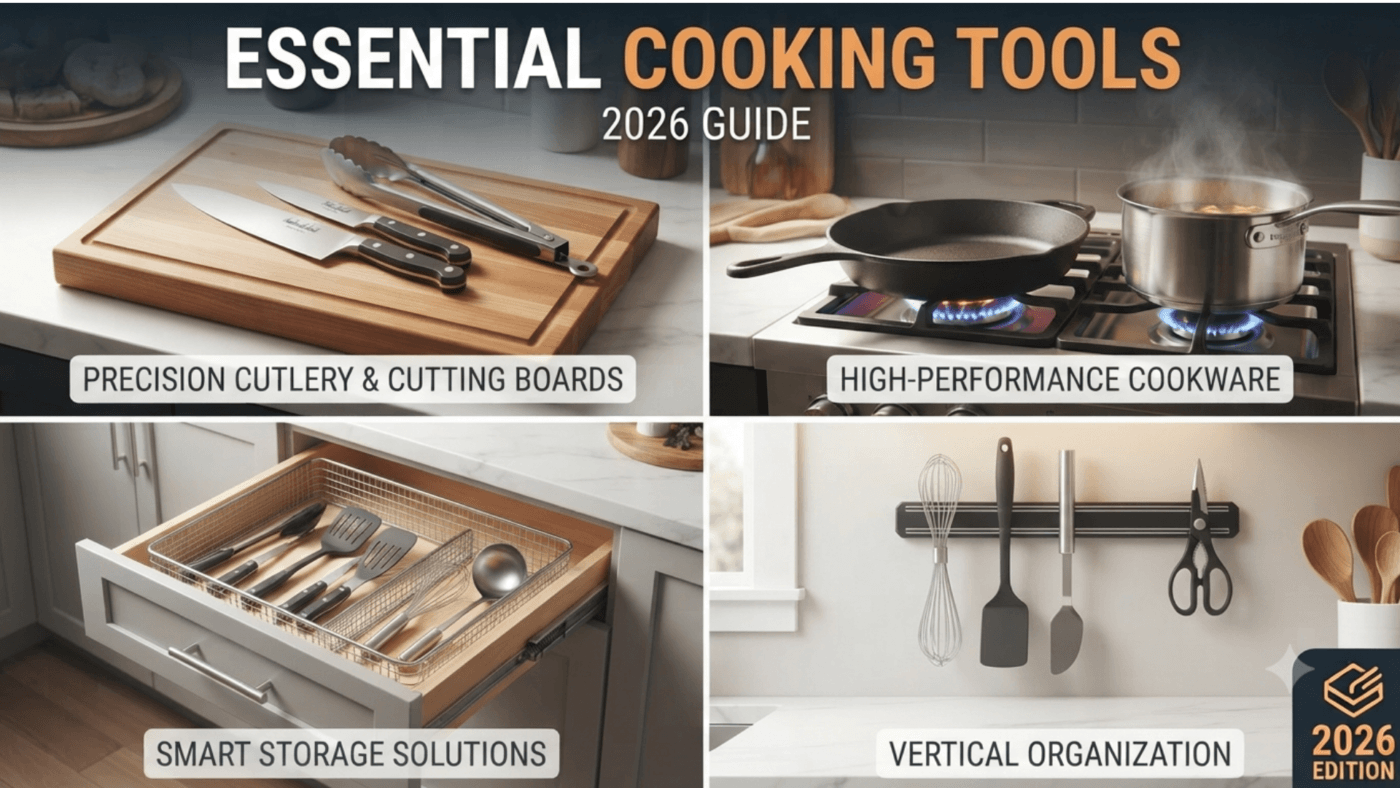
Setting up a highly functional culinary space requires a strategic balance of high-performance preparation hardware and smart organizational systems. Equipping your workspace with the correct foundation streamlines food preparation, reduces daily friction, and dramatically elevates your overall cooking execution. By focusing on durable materials and ergonomic layouts, you can transform any standard cooking area into a professional-grade culinary station.
Core Essential Cooking Tools for Daily Culinary Success
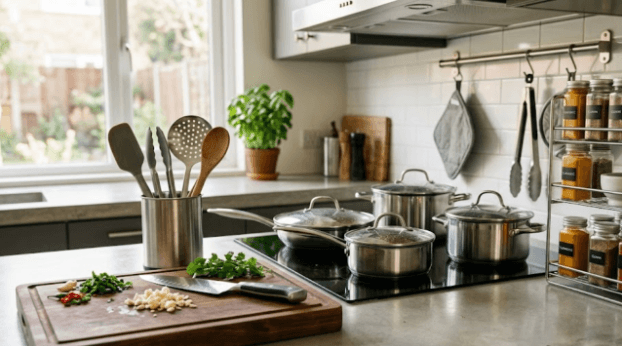
To achieve seamless meal preparation, your culinary workspace must be divided into highly specialized zones. Each zone relies on specific infrastructure and instruments to maintain safety, speed, and precision during peak cooking hours.
The Thermal Processing Station
High-efficiency thermal units dictate the overall speed and control of your recipe execution. Investing in premium thermal equipment ensures consistent heat distribution and eliminates common hot spots that ruin complex dishes.
- High-Output Cooktops: A reliable gas stove serves as the absolute backbone of the thermal station, offering instantaneous temperature control and unmatched flame visibility.
- Heavy-Duty Skillets: Cast iron and tri-ply stainless steel pans provide the thermal mass required for professional-grade searing and heat retention.
- Stockpots and Saucepans: Anodized aluminum or clad-steel vessels allow for rapid liquid boiling and precise reduction management without scorching fragile ingredients.
The Precision Preparation Zone
Your preparation workflow determines your overall speed and safety during the initial stages of meal assembly. High-quality cutlery and protective surfaces minimize structural damage to delicate ingredients.
- The Chef Knife: A heavy, well-balanced eight-inch blade handles approximately ninety percent of all cutting, dicing, and slicing operations.
- Parring and Utility Knives: Smaller specialized blades provide the necessary maneuverability for intricate peeling, coring, and detailed trimming tasks.
- High-Density Cutting Boards: Thick wooden or food-grade plastic composite boards protect your knife edges while ensuring a sanitary prep surface.
The Active Utensil Assembly
The primary handling instruments bridge the gap between raw ingredients and hot cooking surfaces. Selecting durable, heat-resistant components prevents chemical leaching and physical warping over long-term usage.
- Ergonomic Silicone Spatulas: Flexible, high-heat spatulas excel at scraping bowls clean and folding sensitive ingredients together gently.
- Stainless Steel Locking Tongs: Acting as an extension of your hand, heavy-duty tongs provide secure grip control over heavy proteins and roasting pans.
- Solid and Slotted Spoons: Rigid stainless steel or heavy composite spoons facilitate efficient liquid separation and thorough sauce stirring.
Maximizing Culinary Efficiency: The Role of Layout and Storage
An efficient layout requires quick access to your most frequently used items. Integrating dedicated kitchen storage solutions 2026 directly into your cabinetry eliminates cluttered countertops and shortens prep times.
Dedicated Cutlery Management
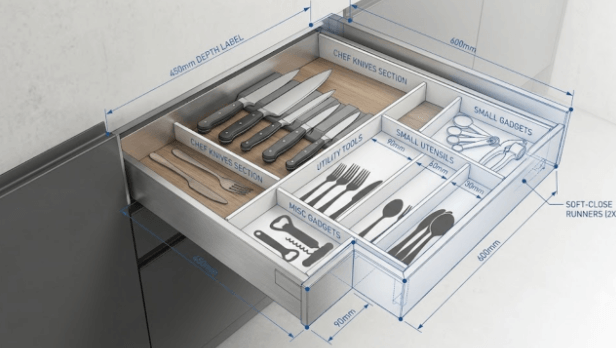
Loose knives and handheld gadgets tossed into flat drawers cause physical damage to sharp edges and present serious safety hazards. Implementing a dedicated cutlery basket keeps your primary preparation instruments upright, dry, and instantly accessible. This structural approach accelerates workflow because chefs can locate exact blade profiles without rummaging through disordered drawers.
Advanced Herb and Condiment Organization
Frequent flavor adjustments require immediate access to seasonings during the active cooking process. Utilizing a dedicated spice bottle rack adjacent to your main thermal unit keeps primary flavor elements organized and neatly arranged. Keeping these jars upright and categorized prevents accidental spills and minimizes the time ingredients spend exposed to ambient heat.
Vertical Plate and Dish Drainage
Washed prep items must dry rapidly to prevent structural water damage and bacterial development on food-contact surfaces. Installing a heavy-duty plate dish holder directly inside or above your clean-up zone utilizes vertical space effectively while ensuring rapid moisture drainage. This vertical architecture optimizes small footprints and keeps counters perfectly clear for active chopping tasks.
Essential Kitchen Tools Comparison: Durability vs. Utility
| Equipment Category | Primary Material | Ideal Application | Expected Lifespan | Maintenance Level |
| Thermal Units | Stainless Steel / Cast Iron | Searing, boiling, stir-frying | 10 to 20+ Years | Medium (Regular seasoning/cleaning) |
| Preparation Cutlery | High-Carbon German Steel | Slicing, dicing, mincing | 15+ Years | High (Routine sharpening required) |
| Storage Architecture | Chrome-Plated Wire / SS | Organization, drainage | 8 to 12 Years | Low (Occasional wipe down) |
| Handling Utensils | Food-Grade Silicone / Wood | Mixing, scraping, flipping | 3 to 5 Years | Low to Medium (Handwashing preferred) |
5 Common Kitchen Setup Mistakes and How to Fix Them
1. Overcrowding the Primary Countertops
Placing too many decorative items or rarely used appliances on main workspaces restricts your active cutting areas.
Pro Tip: Clear all items from a 3-foot radius around your main cutting board, storing secondary electronics inside lower cabinets to preserve critical operational space.
2. Using Dull or Damaged Cutlery
Attempting to process fibrous vegetables or tough proteins with worn edges increases user fatigue and causes dangerous slippage.
- The Fix: Establish a strict bi-annual professional sharpening routine alongside weekly honing sessions using a ceramic rod.
3. Neglecting Vertical Wall Real Estate
Restricting all storage strategies to flat base cabinets results in deep, unorganized zones where tools disappear completely.
- The Fix: Install heavy-duty magnetic strips, floating shelves, or wall hooks to suspend frequently used tools vertically.
4. Mixing Incompatible Cookware Materials
Using metal utensils inside delicate non-stick pans scratches defensive coatings and ruins the release surfaces permanently.
- The Fix: Transition completely to silicone, wooden, or high-temperature composite utensils for all delicate cookware applications.
5. Inadequate Air Circulation for Wet Dishes
Stacking damp plates horizontally traps moisture between layers, promoting mold growth and unpleasant mineral odors.
- The Fix: Always utilize a vertical slot organizer with an integrated drip tray to facilitate total 360-degree air drying.
Future Trends: Smart and Space-Saving Kitchen Accessories in 2026
Modern culinary spaces are undergoing a massive transformation toward highly dense, modular, and ergonomic infrastructure. As urban living spaces become tighter, the focus has shifted entirely to high-utility modern culinary equipment that disappears when not in use.
[Traditional Static Drawers] ➔ Moved to ➔ [Modular Soft-Close Pull-Out Baskets]
[Flat Countertop Disarray] ➔ Moved to ➔ [Vertical Tiered Storage Architecture]
The adoption of smart alloy materials ensures that storage wire racks resist corrosion even when exposed to high-humidity environments near kitchen sinks. Furthermore, modular tracking systems allow users to adjust the height of their internal shelving units seamlessly as their collection of must have kitchen accessories expands over time.
Professional Maintenance Guide for Longevity
Preserving the structural integrity of your basic cooking utensils list requires adherence to strict care protocols. Never subject high-carbon steel knives or premium wooden cutting boards to automatic dishwashers, as the extreme heat and harsh detergents degrade structural bonds rapidly. Clean stainless steel components with non-abrasive microfiber cloths to prevent micro-scratches that trap organic food waste over time. Regularly inspect moving slider tracks on pull-out baskets to ensure smooth operation and prevent physical strain on cabinet faces.
Next Steps & Resource Directories
Browse Full Directories
- [Main Hub] > [Kitchen Organization Products]
- [Main Hub] > [Thermal Cooking Appliances]
Related Articles
- How to Organize Your Culinary Cutlery Efficiently
- Choosing the Right Heat Source for Modern Cooking
- Optimizing Vertical Space with Specialized Racks
