Kitchen Products
Modular Kitchen Setup: Smart Design Tips for Every Home
Aug
Transforming your cooking space requires an intelligent modular kitchen setup that balances high-end functionality with modern aesthetic appeal. By incorporating smart storage solutions and ergonomic layouts, you can dramatically elevate your daily cooking experience while maximizing every square inch.
Why a Modern Modular Kitchen Setup Matters
A well-planned kitchen layout changes the entire workflow of your home, reducing physical strain and saving precious time during meal preparation. Modern homes demand high-efficiency designs that eliminate clutter and utilize vertical and horizontal spaces simultaneously. When you invest in a smart setup, you ensure that every tool, appliance, and ingredient has an assigned, accessible zone.
Transitioning to modular units allows for easy customization, seamless maintenance, and future-proof expansion as your household needs evolve. Upgrading your cooking environment also significantly increases overall home value and long-term property marketability.
The Core Elements of an Efficient Kitchen Layout
Understanding the classic kitchen work triangle forms the foundation of any successful renovation project. The interaction between your primary cooking zone, washing zone, and food storage zone must remain uninterrupted by heavy traffic.
Selecting the right components makes a world of difference when configuring your modular cabinets and countertops. For heavy cooking needs, incorporating a high-capacity gas stove ensures rapid, even heating and precise flame control.
Meanwhile, integrating a heavy-duty sink near prep surfaces keeps cleanup streamlined and prevents water splashes across your pristine floors.
Maximizing Small Kitchens with Smart Accessories
Small and medium kitchens require creative spatial engineering to avoid feeling cramped or disorganized. Pull-out baskets and vertical racks transform dead corners into highly functional storage goldmines.
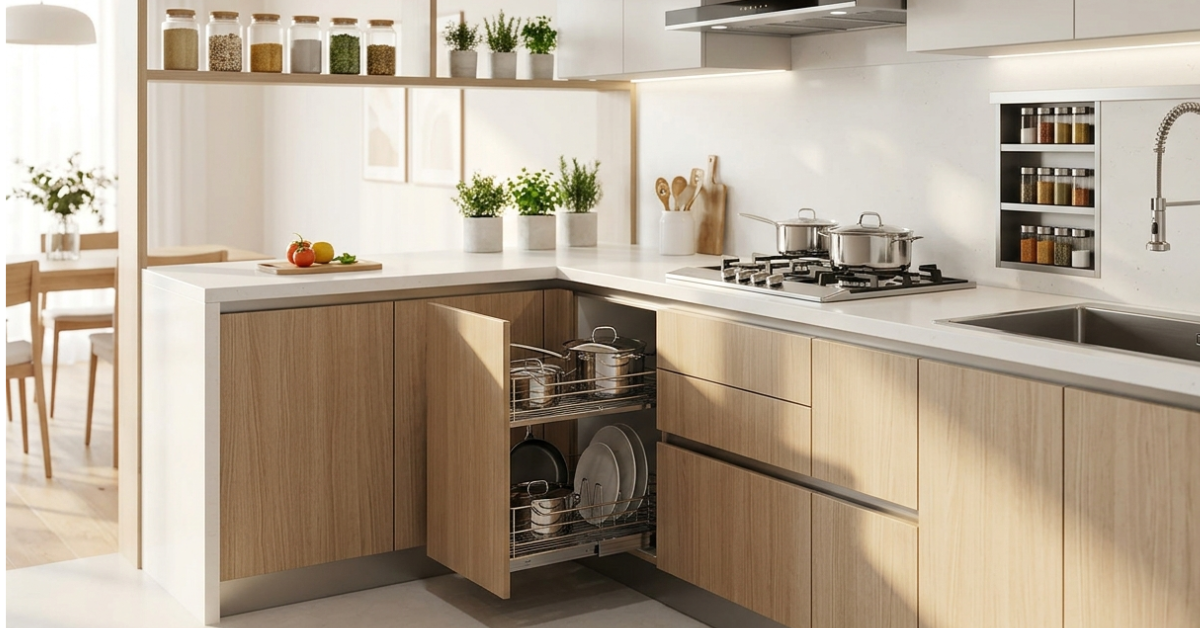
Utilizing specialized hardware like a pull-out basket inside your base cabinets lets you slide out deep-seated pots and pans without bending uncomfortably.
Pro Tip: Always measure your cabinet depth twice before ordering custom wire inserts to ensure flawless sliding mechanisms without clearance jams.
Hanging racks mounted directly to kitchen walls save valuable counter space for chopping boards and small appliances. Drawer organizers keep cutlery and utensils segregated, eliminating frustrating morning searches for stray teaspoons.
Essential Hardware and Storage Upgrades
Upgrading internal cabinet storage prevents clutter from creeping back into your meticulously planned drawers. Modern kitchens thrive on multi-tiered accessories designed for specific culinary tools and dishware categories.
To keep your dishware sparkling clean and properly aired, installing a dedicated glass plate rack with drip tray near your washing area prevents moisture accumulation.
For corner spaces that typically turn into black holes of forgotten items, installing a multi-layer rotating unit completely eliminates wasted spatial capacity. You can easily browse specialized options by exploring the Magic Corner Right layout solutions designed specifically for awkward blind spots.
Choosing the Right Ventilation and Cooking Appliances
No modern kitchen setup is complete without an advanced smoke and odor extraction system to keep your indoor air pristine. Cooking oils, spices, and smoke can quickly degrade your walls and ceiling paint if left unmitigated.
Investing in a powerful chimney hood guarantees immediate removal of airborne grease particles and heavy cooking fumes. Medium to large kitchens benefit immensely from high-velocity extraction hoods that operate quietly while maintaining maximum airflow efficiency.
Pairing your ventilation hood with an energy-efficient cooking range creates a powerhouse cooking station. Ensure your layout leaves enough breathing room around heat sources to comply with crucial fire safety standards.
Common Modular Kitchen Setup Mistakes and How to Fix Them
Even experienced DIY renovators occasionally fall into spatial traps that compromise long-term kitchen usability. Recognizing these pitfalls early saves you thousands of dollars in costly retrofits and structural redesigns.
Mistake 1: Neglecting Countertop Clearance Near the Stove
Placing your primary cooking range directly against a corner wall limits elbow room and creates severe fire hazards. Always leave at least twelve to eighteen inches of open counter space on both sides of your gas burner.
Mistake 2: Overlooking Vertical Wall Potential
Homeowners frequently rely exclusively on base cabinets while ignoring valuable upper wall real estate. Utilize hanging rails, magnetic knife holders, and vertical spice racks to free up your primary work surfaces.
Mistake 3: Poor Lighting Distribution
A single overhead ceiling light casts harsh shadows directly onto your cutting board and prep zones. Install under-cabinet LED strip lighting to illuminate your countertops evenly during late-night meal prep.
Future Trends in Modular Kitchen Design for 2026
The kitchen technology landscape continues to evolve rapidly, introducing smarter, automated, and eco-friendly features into everyday homes. Sustainable materials, antimicrobial countertops, and touchless motion-activated faucets are dominating modern architectural preferences this year.
Smart organizational inserts now feature integrated weight sensors and soft-close hydraulic dampers that protect your fine china from accidental slams. Furthermore, minimalist handleless cabinetry creates sleek, unbroken lines that make compact apartments feel significantly larger and more open.
Practical Steps to Kickstart Your Kitchen Transformation
Embarking on a kitchen overhaul requires a structured roadmap to prevent decision fatigue and budget overruns. Follow these sequential steps to ensure a smooth, stress-free installation process from concept to completion.
Step 1: Assess Your Current Workflow and Pain Points
Observe how your household interacts with the kitchen over the course of one full week. Identify which areas cause bottlenecks, where clutter accumulates fastest, and what equipment you use daily versus annually.
Step 2: Establish a Realistic Budget
Allocate funds across structural changes, cabinet hardware, electrical wiring, plumbing, and aesthetic finishes. Always keep a ten percent contingency fund ready for unexpected structural surprises behind old walls.
Step 3: Consult Professional Designers and Suppliers
Bring your measurements and workflow notes to trusted modular kitchen specialists who can map out 3D digital renderings. Professional software visualization helps you spot clearance issues before a single screw is driven into your walls.
Conclusion
Creating your dream cooking space combines thoughtful spatial planning, durable hardware selection, and smart organizational accessories tailored to your lifestyle. By implementing these expert design tips and maintaining an ergonomic workflow, you will enjoy a beautiful, highly efficient kitchen for years to come.
Final Footer Block
Next Steps & Resource Directories
Browse Full Directories:
Main Hub: Kitchen Museum Products > Kitchen Accessories & Hardware Hub
Related Articles:
- Bottle Storage Organizer for Modern Kitchen Design
- Best Plate Drying Rack for Clean and Tidy Kitchen Space
- Modular Kitchen Racks and Shelves Price Guide 2026
- Wall Mounted Spice Rack on Wall for Smart Kitchen Storage
