
Kitchen Products
Kitchen Bin with Lid: Smart Ways to Manage Kitchen Waste!!
Aug
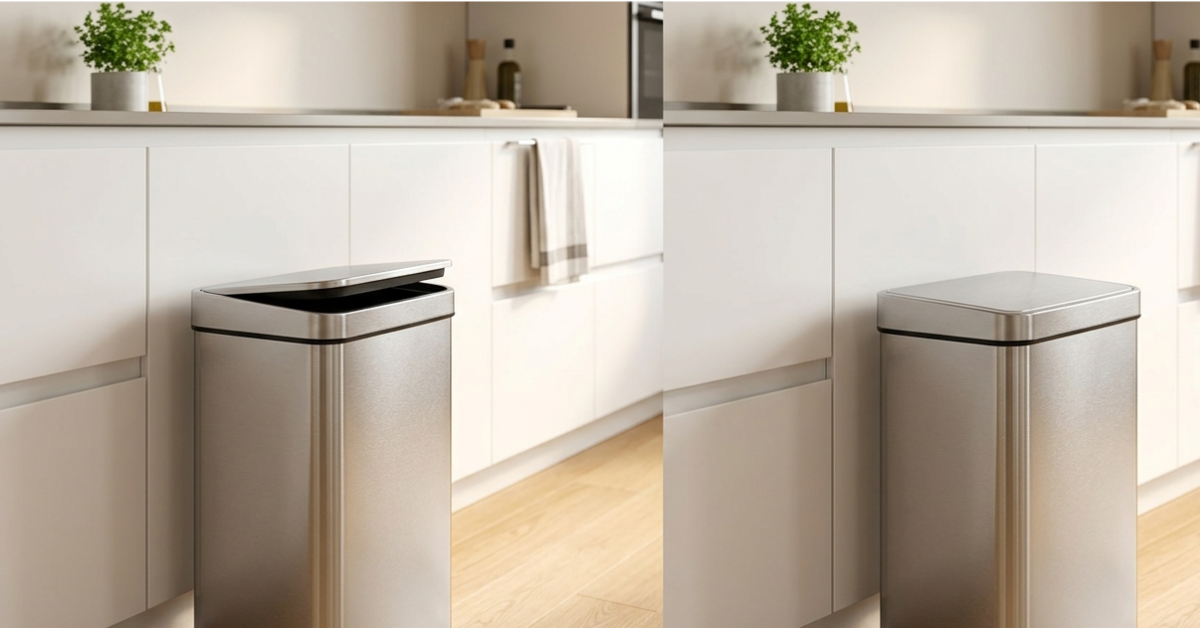
Managing kitchen waste efficiently is essential for maintaining a clean, odor-free, and hygienic cooking environment. A well-chosen kitchen bin with lid prevents pest attraction, conceals unpleasant smells, and keeps your culinary space streamlined.
Why Every Modern Kitchen Needs a Bin with Lid
Open trash cans invite unpleasant odors and attract flies, fruit flies, and pests into your cooking space. A tightly sealed lid creates an airtight barrier that traps smells and keeps insects away from food prep zones. Selecting the right lid mechanism also improves kitchen workflow during hectic meal preparation. Modern designs blend seamlessly into your cabinetry or floor plan, upgrading both style and functionality.
Key Benefits of Odor Control Kitchen Bins
Eliminating Unpleasant Smells at the Source
Cooking generates diverse organic scraps, from vegetable peelings to seafood remnants, that degrade rapidly. An effective odor control kitchen bin utilizes rubber gaskets, carbon filters, or tight push-to-open seals to lock gases inside. This ensures your kitchen remains fresh even when disposal happens multiple times a day.
Enhanced Hygiene and Safe Waste Handling
Touching dirty lids spreads bacteria across handles and surrounding surfaces. Modern lidded bins feature touchless infrared sensors or smooth foot pedals for hands-free operation. This minimizes cross-contamination risks while you handle raw meats and vegetables.
Maximizing Small Spaces with Smart Placement
Compact kitchens demand efficient layouts that keep floors clear. Placing your waste receptacle inside a cabinet or under the counter frees up valuable square footage. You can explore options like a drawing dustbin pvc ss to maximize under-cabinet storage.
Comparative Breakdown: Traditional Bins vs. Modern Lidded Solutions
| Feature | Open Trash Can | Standard Plastic Lidded Bin | Modern Integrated Kitchen Bin with Lid |
| Odor Containment | Poor (None) | Moderate (Loose lid) | Superior (Airtight seal / gasket) |
| Pest Prevention | Low | Moderate | High |
| Aesthetic Appeal | Disruptive / Ugly | Neutral | Concealed / Premium Finish |
| Space Efficiency | Takes floor space | Takes floor space | Integrated / Under-counter |
Choosing the Ideal Kitchen Bin with Lid for Your Layout
Small and Medium Kitchens: Space-Saving Designs
In compact cooking zones, every inch counts. Wall-mounted or narrow cabinet bins keep the floor pristine while offering easy access. Pairing them with a functional bin holder ensures stability and prevents accidental tipping during busy cooking hours.
Large Kitchens: High-Capacity and Multi-Compartment Systems
Bigger households generate high volumes of diverse waste requiring active sorting. Multi-compartment bins make recycling effortless by separating organic scraps from plastics and glass. Integrating these into a triple drawer basket setup organizes your utility items and trash containers cleanly in one zone.
Pro Tip: Always line your lidded bin with biodegradable bags that fit snugly around the rim to prevent slipping and messy leaks at the base.
Advanced Waste Management: Under-Sink Pull-Out Dustbins
Streamlining Workflow Beneath the Counter
The space beneath your sink is prime real estate for waste management. Installing an under-sink pull-out dustbin brings the trash can out smoothly when you slide open the cabinet door. This keeps waste completely hidden when not in use while remaining instantly accessible.
Ergonomic Advantages for Daily Cooking
Bending over or reaching deep into dark cabinets causes physical strain during cleanup. Pull-out systems glide effortlessly on heavy-duty tracks, presenting the bin directly to your hands. This ergonomic design reduces back fatigue and speeds up post-meal clearing.
Common Mistakes to Avoid When Selecting a Kitchen Bin
Choosing the Wrong Size for Household Volume
Buying a bin that is too small results in overflowing trash and constant bag changes. Conversely, an oversized bin encourages waste to sit too long, leading to decomposition and foul odors. Match your bin capacity directly to your daily cooking frequency and family size.
Neglecting Material Durability and Ease of Cleaning
Kitchen environments experience high humidity, moisture, and frequent spills. Flimsy plastics absorb odors and crack easily over time. Opt for high-grade stainless steel or treated polymer bins that resist rust and wipe clean effortlessly.
Poor Placement Relative to Prep Zones
If your trash can sits too far from your chopping board, you will drip scraps across the floor during transfer. Position your primary waste bin directly beneath or adjacent to your main food preparation counter for maximum efficiency.
Step-by-Step Guide: Installing an Integrated Lidded Bin System
Step 1: Measure Your Cabinet Interior
Accurately measure the height, width, and depth of your under-counter or base cabinet space. Account for plumbing lines, garbage disposals, and hinges that might obstruct movement.
Step 2: Secure the Mounting Brackets
Align the sliding tracks according to the manufacturer instructions. Use a level to ensure the tracks are completely even before driving screws into the cabinet base.
Step 3: Attach the Bin Frame and Lid Mechanism
Mount the bin frame onto the sliding runners, verifying smooth forward and backward motion. Test the automatic lid-lifting arm if your system features a synchronized pull-open design.
Step 4: Insert Bins and Conduct a Trial Run
Place your containers into the frame, add a fitted trash bag, and test the slide mechanism multiple times. Ensure the cabinet door closes fully without catching on the rim or lid.
Essential Companion Accessories for Kitchen Organization
An organized kitchen extends beyond waste management to include efficient utensil, spice, and dish storage. Keeping your countertops clear creates a hygienic zone dedicated entirely to food prep.
For instance, pairing your setup with a spice paper rack keeps essential seasonings and rolls within arm’s reach. Similarly, installing a multi-function rack optimizes vertical wall space for everyday cooking tools.
Future Trends in Smart Kitchen Waste Management
Touchless Sensor Technology and Smart Sorting
The next generation of kitchen waste solutions focuses on automation and touch-free interaction. Motion-activated lids open instantly when you wave your hand, closing silently after disposal. Automated compactors compress waste internally, reducing the frequency of bag changes for busy modern households.
Eco-Friendly Materials and Odor-Absorbing Filters
Manufacturers increasingly utilize recycled stainless steel and antimicrobial polymers that inhibit bacterial growth. Advanced activated carbon filters built into lids neutralize harsh methane and ammonia odors naturally without chemical sprays.
Maintaining an immaculate, functional kitchen relies on choosing smart organizational systems that streamline daily chores while keeping your cooking space clean and inviting.
Next Steps & Resource Directories
Browse Full Directories
Kitchen Museum > Waste Management & Accessories
Related Articles
- Modern Utensils: Upgrade Your Kitchen With Stylish Tools
- Kitchen Bin with Lid: Smart Ways to Manage Kitchen Waste!!
- Kitchen Trash Bin Buying Guide for Modern Homes and Kitchens
- Trash Can Cabinet Ideas for a Clean, Tidy Kitchen
