
Kitchen Products
Kitchen Utensil Hanging Rail vs Traditional Storage Options in BD
Aug
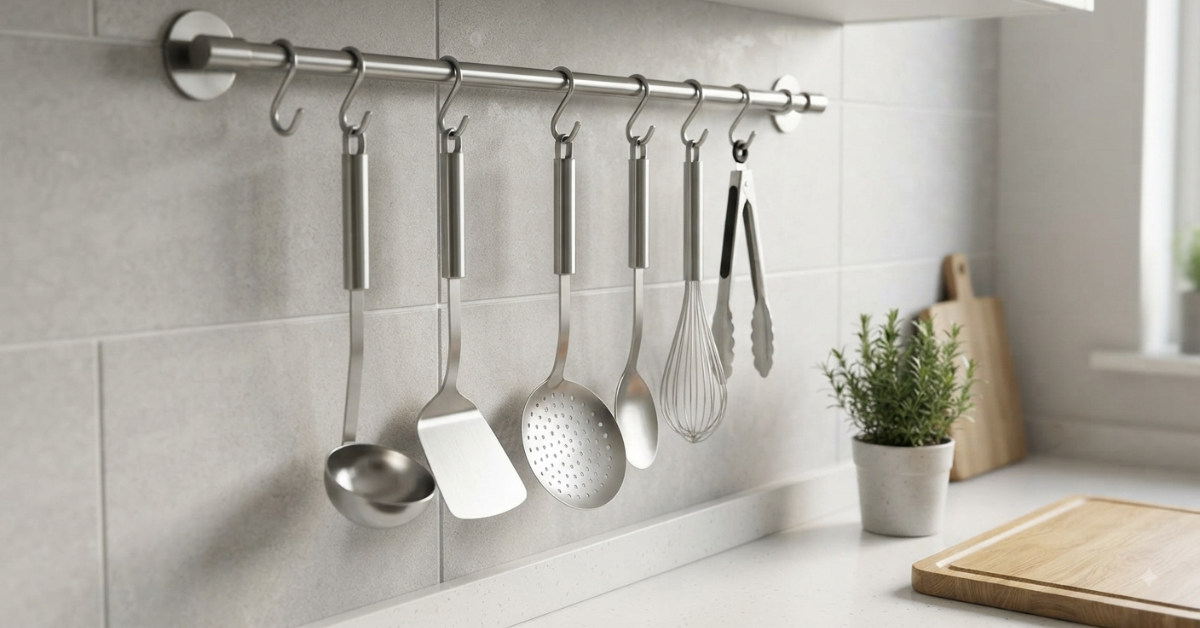
Urban Bangladesh apartments in Dhaka and Chattogram often feature compact cooking layouts where counter real estate is severely constrained. Choosing a kitchen utensil hanging rail over traditional cabinet storage instantly frees up surface area, eliminates drawer clutter.
Storage Breakdown: Utensil Hanging Rail vs Conventional Storage
Kitchen utensil hanging rail When managing daily meal prep in a modern Bangladeshi home, selecting the right storage hardware dictates cooking efficiency, hygiene, and counter organization.
+—————————————————————————————————————-+
| STORAGE TYPE | SPACE EFFICIENCY | ACCESSIBILITY | HYGIENE & DRYING | BEST FOR |
+—————————————————————————————————————-+
| Utensil Hanging Rail | Excellent (Vertical)| Instant (100% Open)| Superior Airflow | Compact & Medium |
| Traditional Base Cabinet | Moderate (Shelves) | Low (Reaching deep)| Risk of Humidity | Large Cookware |
| Countertop Caddies & Holders | Poor (Takes counter)| High (Surface level)| Moisture Accumulation| Spacious Counters|
| Built-in Cutlery Drawers | Good (Organized) | Moderate (Pull out)| Requires Lining | Small Flatware |
+—————————————————————————————————————-+
Wall-Mounted Rails: Vertical Space Optimization
Kitchen utensil hanging rail A wall mounted kitchen rack or rail system transforms unused vertical splashbacks into high-density storage zones.
Traditional Cabinet Storage: Deep Volumetric Capacity
Kitchen utensil hanging rail Standard kitchen cabinets excel at concealing large, bulky items like heavy pressure cookers, rice cookers, and extra-large biryani pots.
Countertop Holders: Accessibility vs Counter Encroachment
Kitchen utensil hanging rail While countertop cutlery caddies keep tools nearby, they occupy precious surface area right next to the prep station or cooktop.
Why Modern Kitchen Organization Matters in Bangladesh
Kitchen utensil hanging rail Urban living standards in Bangladesh have evolved, with high-rise apartment architectures prioritizing spacious living rooms while reducing total kitchen floor plans.
Humidity Control and Corrosion Prevention
Kitchen utensil hanging rail Bangladeshi kitchens experience high relative humidity alongside intense heat and steam from deep-frying and boiling. Storing damp utensils inside unventilated wooden or laminated cabinets traps moisture.
Streamlining Heavy Spicing Prep Work
Kitchen utensil hanging rail Traditional Bangladeshi cooking involves multiple preparation steps: grinding pastes, frying aromatics, and monitoring multiple pots simultaneously. When every spoon, skimmer, and spatula is visible and accessible on a central rail, prep time drops dramatically.
Comprehensive Guide to Essential Modular Accessories
Kitchen utensil hanging rail A truly functional cooking environment combines wall-mounted rails with complementary modular systems to address every storage challenge.
Modular Drawer Organizers and Inset Baskets
Kitchen utensil hanging rail For flatware, peeling tools, and delicate cutlery that cannot be hung, utilizing a modular kitchen organizer within deep drawers keeps items neatly segregated.
Wall-Mounted Multi-Function Shelving
Kitchen utensil hanging rail Complementing your main rail with targeted wall accessories creates a complete vertical workstation. Combining utensil hooks with dedicated holders keeps spices and oils off the counter.
Corner Reclaim and Pull-Out Systems
Kitchen utensil hanging rail Blind corners in L-shaped and U-shaped kitchen layouts often become dead storage space.
Selecting Durable Hardware for High-Moisture Environments
Kitchen utensil hanging rail Selecting the right hardware materials determines whether your kitchen organization investment lasts for decades or degrades within months under harsh cooking conditions.
+—————————————————————————————————————-+
| MATERIAL GRADE | RUST RESISTANCE | LOAD CAPACITY | RECOMMENDED APPLICATION |
+—————————————————————————————————————-+
| Grade 304 Stainless Steel | Outstanding (10/10) | High (Up to 25 kg) | Primary Hanging Rails & Wall Racks |
| Grade 201 Stainless Steel | Moderate (6/10) | Medium (Up to 15 kg)| Dry Interior Cabinet Baskets |
| Chrome-Plated Mild Steel | Low (3/10) | Low to Medium | Budget Temporary Storage |
| Anodized Aluminum | High (8/10) | Medium (Up to 12 kg)| Lightweight Spice & Paper Holders |
+—————————————————————————————————————-+
Material Quality: Grade 304 Stainless Steel vs Alloys
Kitchen utensil hanging rail Always prioritize Grade 304 stainless steel kitchen storage fixtures. Unlike cheaper mild steel alloys or low-grade 201 steel, 304 stainless steel contains high chromium and nickel content.
Heavy-Duty Anchor Systems and Fasteners
Kitchen utensil hanging rail A utensil rail is only as strong as its mounting points. Heavy iron cookware like traditional korai places significant shear stress on wall fasteners.
Versatile S-Hooks and Mounting Accessories
The flexibility of a hanging rail lies in its hooks. Sliding S-hooks allow you to adjust spacing dynamically depending on utensil width. Choosing heavy-duty stainless steel s-hook single attachments allows effortless sliding along the main bar while supporting heavy wooden boards and cast-iron tools securely.
Step-by-Step Installation Guide for Kitchen Hanging Rails
Proper positioning and rock-solid mounting guarantee long-term safety and ergonomic efficiency.
Step 1: Ergonomic Height and Location Planning
Position the rail between 18 to 22 inches above the main countertop surface, or roughly at eye level. Ensure it is placed away from direct stove flames to prevent grease accumulation while keeping it close enough to the prep area for seamless reach.
Step 2: Wall Marking and Tile Drilling
Hold the rail level using a spirit level tool and mark the bracket holes onto tile grout lines where possible. When drilling directly into ceramic or porcelain tiles, use a diamond-tipped masonry bit at slow speeds with water cooling to prevent tile cracking.
Step 3: Anchor Insertion and Bracket Securing
Insert high-durability wall plugs into the drilled holes. Align the mounting flanges and drive corrosion-resistant stainless steel screws firmly into place. Attach the main horizontal rail, lock the set screws, and slide on your desired S-hooks.
Critical Mistakes to Avoid When Upgrading Kitchen Storage
- Overloading Unanchored Rail Systems: Installing rails with adhesive backing on textured tiles frequently results in total adhesive failure under the weight of heavy metal cookware.
- Placing Rails Directly Over Burners: Mounting rails directly behind gas burners exposes suspended utensils to intense convective heat, soot, and dangerous splatters of hot oil.
- Neglecting Material Grade Verification: Purchasing unrated chrome-plated iron hardware leads to rapid flaking, rust spots, and orange metal stains on clean backsplash tiles.
- Ignoring Rail Clearance from Cabinets: Mounting a rail too close to the underside of upper cabinets restricts hook movement and prevents larger ladles from hanging vertically.
Future Trends in Modern Bangladeshi Kitchen Design
Integrated Smart Workstations
Modern interior design in urban centers like Dhaka and Chattogram emphasizes clean lines and continuous surfaces. Modular wall systems now blend utensil rails, magnetic knife blocks, and tablet stands into unified, ultra-thin architectural profiles.
Textured Finishes and Matte Aesthetics
While polished stainless steel remains a timeless standard, modern high-end kitchens increasingly adopt brushed bronze, satin nickel, and matte black PVD coatings. These advanced surface treatments resist fingerprints and water spots while elevating visual elegance.
Architectural LED Backlighting
Incorporating low-voltage LED strip lights directly beneath hanging rails illuminates the main countertop prep zone while eliminating shadows, creating an inviting visual atmosphere during evening meal preparation.
-
Next Steps & Resource Directories
- Browse Full Directories: Main Hub > Categories
- Related Articles:
