
Gas Stove
Built In Cooktop Benefits for Every Modern Home Kitchen
Aug
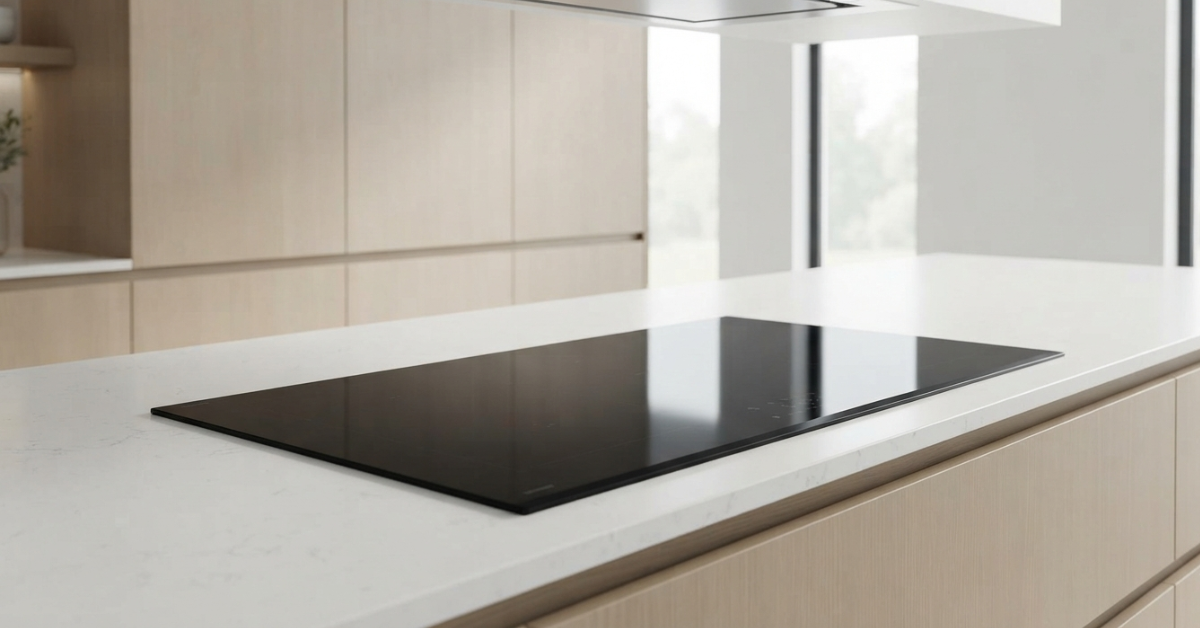
A built-in cooktop revolutionizes the heart of your home by blending seamless aesthetic design with high-performance culinary power. Upgrading your cooking station transforms both daily meal preparation and total kitchen ergonomics.
Why Modern Homeowners Are Transitioning to Built In Cooktops
Traditional freestanding gas stoves often leave awkward gaps where food crumbs, grease, and moisture accumulate over time. A built-in cooktop integrates directly into your custom kitchen countertop, creating a flush, continuous surface. This design eliminates hard-to-reach crevices, making kitchen cleanup remarkably fast and sanitary.
Beyond sanitation, built-in models offer precise flame control or induction precision that elevates cooking accuracy. Homeowners appreciate how this appliance reclaims valuable under-counter space, allowing for integrated storage solutions like a gas stove housing configuration or custom cabinetry.
Core Structural Advantages of a Built In Hob Setup
Transitioning to a dedicated cooktop alters the functional layout of your entire cooking zone. By separating the oven from the cooking surface, kitchen planners gain absolute architectural freedom.
Ergonomic Height Placement
Mounting your cooktop at the optimal counter height prevents chronic back strain during long cooking sessions. You no longer need to bend down awkwardly to monitor pots or stir sauces.
This height customization ensures that users of varying statures maintain comfortable posture. Furthermore, the space directly beneath the cooktop remains open for dedicated hardware, such as a gas stove 2 unit or specialized pull-out drawers.
Superior Space Optimization
Modern apartments and compact urban homes demand high spatial efficiency. Built-in cooktops leave the vertical and horizontal areas below the counter completely free for organizational hardware.
Instead of wasting floor space on a bulky all-in-one range, you can maximize your layout using modular storage components. Pair your cooktop zone with a gas stove 3 setup to balance high-capacity meal prep with minimalist kitchen aesthetics.
Advanced Safety Features and Thermal Efficiency
Safety remains a top priority in any high-traffic residential kitchen. Modern built-in cooktops incorporate sophisticated engineering to protect users from accidental hazards.
- Flame Failure Devices (FFD): Automatic shut-off valves cut the gas supply instantly if the flame accidentally extinguishes.
- Child Lock Systems: Electronic touch controls on hybrid or induction models prevent children from accidentally altering temperature settings.
- Residual Heat Indicators: Clear visual warnings glow when glass surfaces remain hot after cooking finishes, preventing accidental skin burns.
- Optimized Thermal Distribution: Burner ports are engineered to direct maximum heat upward into the cookware base rather than dispersing warmth into the surrounding.
Aesthetic Integration and Kitchen Design Synergy
A kitchen should look as stunning as it functions. Built-in cooktops serve as a visual anchor that modernizes your entire interior decor. Available in sleek tempered glass, brushed stainless steel, and ceramic finishes, these appliances match any contemporary color palette.
When combined with overhead extraction units like a dedicated hood 1 system, your kitchen achieves a professional, hotel-grade appearance. The cohesive look elevates property value and creates an inviting environment for family gatherings and social cooking events.
Fuel Flexibility: Gas, Induction, and Hybrid Options
Every household has unique cooking preferences, and modern built-in cooktops cater to diverse culinary traditions. Selecting the right fuel type dictates your daily cooking experience.
Traditional Gas Performance
Gas-powered built-in cooktops remain the favorite of professional chefs and home cooks alike due to immediate visual feedback and instant heat adjustment. They work with any type of cookware, from heavy cast-iron skillets to delicate copper pans.
Modern Induction Efficiency
Induction cooktops use magnetic fields to heat cookware directly, leaving the glass surface cool to the touch. This technology boils water twice as fast as traditional gas burners while wasting virtually zero ambient energy.
Hybrid Flexibility
Hybrid models combine induction zones for rapid boiling with traditional gas burners for wok cooking. This dual approach ensures you are prepared for any recipe style without compromising kitchen workflow.
Common Installation Mistakes and How to Avoid Them
Proper installation is critical for ensuring the longevity, safety, and peak performance of your built-in cooktop. Avoid these frequent missteps during your kitchen renovation:
- Inaccurate Countertop Cutouts: Measuring errors lead to unstable fittings or gaps where liquid can seep into lower cabinets.
- Always double-check manufacturer dimensions before cutting stone or wood surfaces.
- Inadequate Ventilation Clearance: Failing to maintain proper distance between the cooktop and upper cabinetry or range hoods creates fire risks.
- It also traps heavy cooking smoke.
- Improper Gas Line Sealing: DIY gas installations are dangerous. Always hire a certified professional to test pipe pressure and check joint seals using a soapy water solution.
- Ignoring Electrical Requirements: Even gas cooktops require a stable electricity supply for electronic ignition and safety solenoid valves.
- Ensure a dedicated wall socket is installed nearby.
Future Trends in Smart Kitchen Cooktops (2026 and Beyond)
Kitchen appliance technology continues to evolve at a rapid pace. The latest generation of built-in cooktops incorporates smart automation designed to simplify meal preparation.
- IoT Connectivity: Modern cooktops sync automatically with smart range hoods to adjust fan speeds based on real-time steam and smoke detection.
- Integrated Precision Probes: Wireless temperature sensors communicate directly with burner controls to maintain exact liquid and meat temperatures without manual intervention.
- Adaptive Surface Zones: Boundary-free induction surfaces allow you to place pots anywhere on the glass, automatically heating only the exact footprint of the cookware.
Step-by-Step Guide to Cleaning and Maintenance
Maintaining a spotless cooking station requires minimal effort if you follow a consistent routine. Use these expert maintenance protocols to keep your appliance looking pristine:
- Daily Surface Wipe-Down: Allow the cooktop to cool completely, then use a damp microfiber cloth with mild dish soap to remove oil splatters and surface dust.
- Burner Head Debris Removal: For gas models, soak removable burner caps in warm soapy water weekly to clear clogged port holes and maintain uniform flame patterns.
- Glass Care Protection: Apply a specialized non-abrasive ceramic cooktop cleaner monthly to polish out water spots and create a protective hydrophobic barrier against future stains.
- Gasket Inspection: Check the rubber or foam sealing strip beneath the cooktop rim annually to ensure moisture does not leak into your underlying cabinetry or electrical wiring.
Maximizing Workflow Efficiency Around Your Cooking Zone
A successful kitchen layout relies on the classic working triangle connecting your refrigerator, sink, and cooktop. Positioning your built-in cooktop correctly minimizes unnecessary steps while preparing meals.
Keep frequently used spices, oils, and cooking utensils stored in nearby pull-out drawers or vertical racks to keep your countertops completely clear of clutter. By establishing an organized preparation zone around your cooking center, you dramatically reduce meal preparation time and enhance overall kitchen safety.
Investing in a high-quality built-in cooktop transforms your cooking experience, combining unmatched safety, stunning visual appeal, and superior spatial efficiency into a single indispensable appliance.
Final Footer Block
Kitchen Museum > Kitchen Storage Accessories
Related Articles:
