
Kitchen Sink
Best Kitchen Sink Materials For Everyday Use
Aug
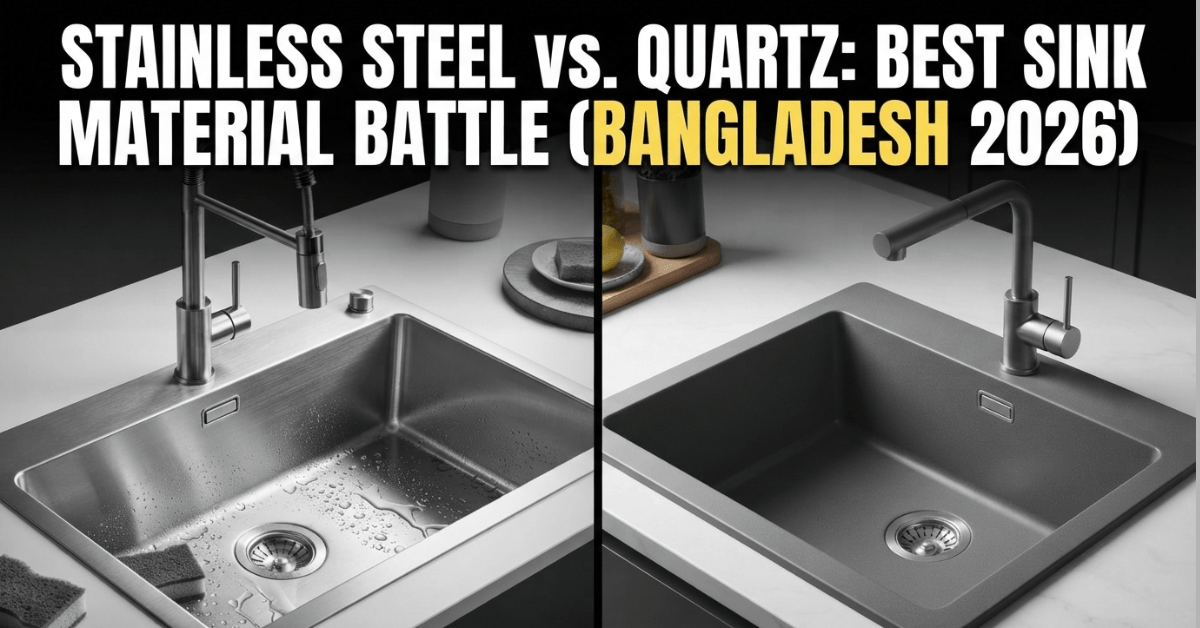
TL;DR: Choosing the best sink material transforms your daily kitchen workflow by balancing heavy-duty durability, scratch resistance, and moisture control. Whether you choose stainless steel, quartz, or modern composite, matching your sink to your cooking habits ensures long-term value in Bangladeshi homes.
Evaluating the Core Search Intent: What Makes a Sink Material Ideal?
Selecting the right kitchen sink goes beyond aesthetic appeal. It requires a deep dive into material science, structural resilience, and daily utility. Modern kitchens in Dhaka, Chattogram, and urban apartments experience heavy daily usage. From washing heavy iron cookware to dealing with persistent hard water stains, your sink takes the brunt of culinary work.
Understanding how different materials handle thermal shock, impact resistance, and moisture absorption is crucial. Poorly chosen materials chip, dent, or harbor bacteria over time. Premium options elevate hygiene levels while keeping maintenance simple. Below is a comprehensive breakdown of the leading sink materials available on the market today.
1. Stainless Steel Kitchen Sinks: The Industry Standard
Stainless steel remains the most popular choice for residential and commercial kitchens alike. Its unmatched versatility and sleek appearance suit both traditional and ultra-minimalist layouts.
- Corrosion Resistance: High-grade stainless steel contains chromium and nickel, creating a passive oxide layer that prevents rust. This is vital for the humid climate of Bangladesh.
- Impact and Heat Tolerance: It handles hot pots straight from the stove without cracking or warping under extreme temperature changes.
- Weight and Sound Management: Premium models feature sound-deadening pads underneath to minimize the clatter of running water and heavy dishware.
2. Quartz and Granite Composite Sinks: Premium Elegance
If you want to introduce a high-end luxury feel into your modular kitchen design, quartz composite sinks are the gold standard. Engineered from natural quartz stone and acrylic resins, these sinks offer exceptional durability.
- Scratch and Chip Defense: The stone-hard surface resists scratches from sharp knives, forks, and heavy pots.
- Non-Porous Hygiene: Unlike natural stone, quartz composites feature a sealed, non-porous structure that repels stains, mold, and bacteria.
- Color Customization: Available in deep blacks, slate grays, and warm earthy tones to match modern quartz countertops.
Pro Tip: Avoid using harsh steel wool or abrasive chemical bleaches on quartz composite surfaces. Mild dish soap and a soft microfiber cloth are enough to keep the finish looking brand new for years.
3. Comparing Kitchen Sink Materials: Performance Matrix
| Material Type | Durability Score | Scratch Resistance | Heat Tolerance | Maintenance Effort |
| Stainless Steel (304 Grade) | High | Moderate | Excellent | Low |
| Quartz Composite | Very High | Excellent | High | Low |
| Porcelain / Fireclay | Moderate | Moderate | High | High |
| Cast Iron | High | High | Excellent | Moderate |
4. Understanding Kitchen Sink Price Factors in Bangladesh
Navigating the local market requires understanding what drives price variations for kitchen fixtures. Premium imported models come with specific cost implications based on gauge thickness and brand reputation.
- Material Gauge and Thickness: For stainless steel, lower gauge numbers indicate thicker steel. Opting for 16-gauge or 18-gauge steel ensures structural integrity and prevents denting.
- Basin Configuration: Single-bowl sinks offer maximum space for large pots, while double-bowl configurations allow simultaneous washing and rinsing.
- Accessory Integration: Sinks that include built-in ledges for cutting boards, colanders, and drying racks provide superior value despite a higher initial price point.
You can explore various options directly by checking out the Sink Collection to find models that fit your budget and layout requirements.
5. Smart Integration with Modular Kitchen Accessories
A sink does not stand alone; it functions as part of a larger ecosystem of durable kitchen fittings. Designing an efficient wet zone requires pairing your basin with complementary hardware.
- Under-Sink Storage Management: Maximizing the cabinet space beneath your basin requires specialized plumbing cut-out organizers and pull-out racks.
- Drainage and Drying Solutions: Installing a Glass Plate Rack with Drip Tray directly above or adjacent to your sink streamlines dish management.
- Sink Support Hardware: Ensuring robust Sink Support Rack systems prevents heavy water-filled basins from sagging over time.
6. Common Mistakes to Avoid When Buying a Kitchen Sink
Homeowners often make costly errors during the procurement and installation phases. Avoiding these pitfalls saves time, money, and structural headaches later.
- Ignoring Cabinet Base Dimensions: Buying a sink bowl that is wider than your base cabinet frame leads to failed installations and costly countertop recutting.
- Neglecting Drain Placement: Rear-set drains maximize usable flat space at the bottom of the basin and free up valuable storage room underneath the cabinet.
- Compromising on Undercoating: Skipping sound-damping pads results in an unpleasantly loud metallic echo every time water hits the basin floor.
7. Future Trends in Kitchen Sink Design for 2026
Kitchen architecture is evolving rapidly, with a strong focus on ergonomics, water conservation, and multi-functional workstation design.
- Workstation Sinks: Modern sinks now feature integrated ledges that support sliding cutting boards, colanders, and rolling mats, turning the sink into an active food prep zone.
- Matte Black and PVD Finishes: Physical Vapor Deposition (PVD) coatings allow stainless steel sinks to feature durable gunmetal, brass, and matte black finishes that resist fingerprint smudges.
- Smart Tap Integration: Touchless sensors and integrated water filtration systems are becoming standard expectations in modern urban apartments.
Investing in the right materials and pairing them with high-quality Sink Support Rack hardware guarantees a reliable, lifelong workspace asset for your home.
Next Steps & Resource Directories
Browse Full Directories
Related Articles
